Understanding the psychology behind high-stakes gambling what drives the thrill
The Allure of Risk
The essence of high-stakes gambling lies in its inherent risk. For many, the excitement comes from the uncertainty of the outcome. The adrenaline rush experienced when placing large bets activates the brain’s reward system, releasing dopamine and creating feelings of euphoria. In this context, it’s important to explore the best betting apps ipl that can elevate your experience. This thrill can be intoxicating, drawing individuals back to the tables and machines in pursuit of that next high.

This allure of risk is often magnified by the social environment of casinos. The vibrant atmosphere, combined with the presence of other gamblers, enhances the experience. The cheers, the sounds of coins clinking, and the anticipation in the air create a communal sense of excitement that can heighten individual thrills, making high-stakes gambling more appealing.
Psychological Factors at Play
Several psychological theories explain why people are drawn to high-stakes gambling. The concept of loss aversion, which suggests that individuals prefer to avoid losses rather than acquire equivalent gains, plays a significant role. Gamblers often focus on what they stand to lose, leading to increased emotional investment in their bets and a compelling urge to continue playing.
Additionally, cognitive biases, such as the illusion of control, can influence gamblers’ behaviors. Many believe they can predict outcomes or influence results through strategies, which can perpetuate their engagement with gambling activities. This misperception can lead to repeated betting, especially when individuals experience small wins that reinforce their belief in their ability to control the game.
The Role of Rewards and Incentives
Rewards are a fundamental driver of high-stakes gambling. Casinos often use incentives like bonuses, free spins, and loyalty programs to attract and retain players. These rewards enhance the gaming experience and create a sense of achievement, making gamblers feel valued and appreciated. Understanding odds is crucial when navigating these opportunities, as the possibility of winning large jackpots further fuels the motivation to engage in high-stakes betting.
Moreover, the reinforcement of winning streaks can create a cycle of behavior where gamblers continue to wager in hopes of replicating their successes. This can lead to a compulsion to chase losses, as individuals seek to regain what they have lost, making the cycle of gambling even more complex and alluring.
Coping Mechanisms and Escape
For many, high-stakes gambling serves as a form of escapism. The thrill of the game can provide a temporary reprieve from life’s stressors and challenges. This behavior can be especially pronounced in individuals facing personal difficulties, as the casino environment offers a distraction from reality and an opportunity for emotional relief.
However, while gambling can initially appear as a harmless escape, it can develop into problematic behavior. The psychological appeal of high-stakes gambling can mask deeper issues, leading individuals to rely on gambling as a primary coping mechanism, which may result in negative consequences for their personal and financial well-being.
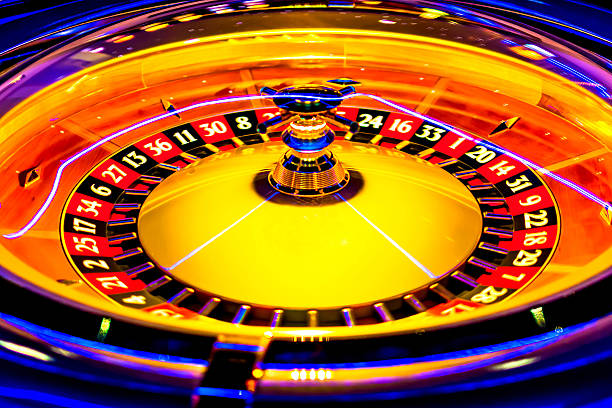
Learn More About Gambling Psychology
If you are intrigued by the psychology behind high-stakes gambling and want to explore this thrilling world further, our website offers comprehensive resources. We delve into various aspects of gambling, including strategies, responsible gaming practices, and insights into the behaviors of gamblers.
By understanding the psychological underpinnings of gambling, you can make informed choices and engage with the experience more safely. Whether you’re a seasoned gambler or simply curious, our platform provides valuable information to enhance your understanding and enjoyment of this complex activity.
Leave a Reply