Debunking common gambling myths for smarter bets
The Illusion of Hot and Cold Streaks
One of the most prevalent myths in gambling is the belief that machines or games experience “hot” or “cold” streaks. Players often think that if a slot machine hasn’t paid out recently, it’s due for a win. This notion leads many to invest additional money, hoping for a big payoff. However, most gaming machines operate on a random number generator, ensuring that each spin or hand is completely independent. In the midst of this uncertainty, players can find enjoyment in games like ice fishing, where the thrill hinges on quick reflexes and strategy rather than luck.
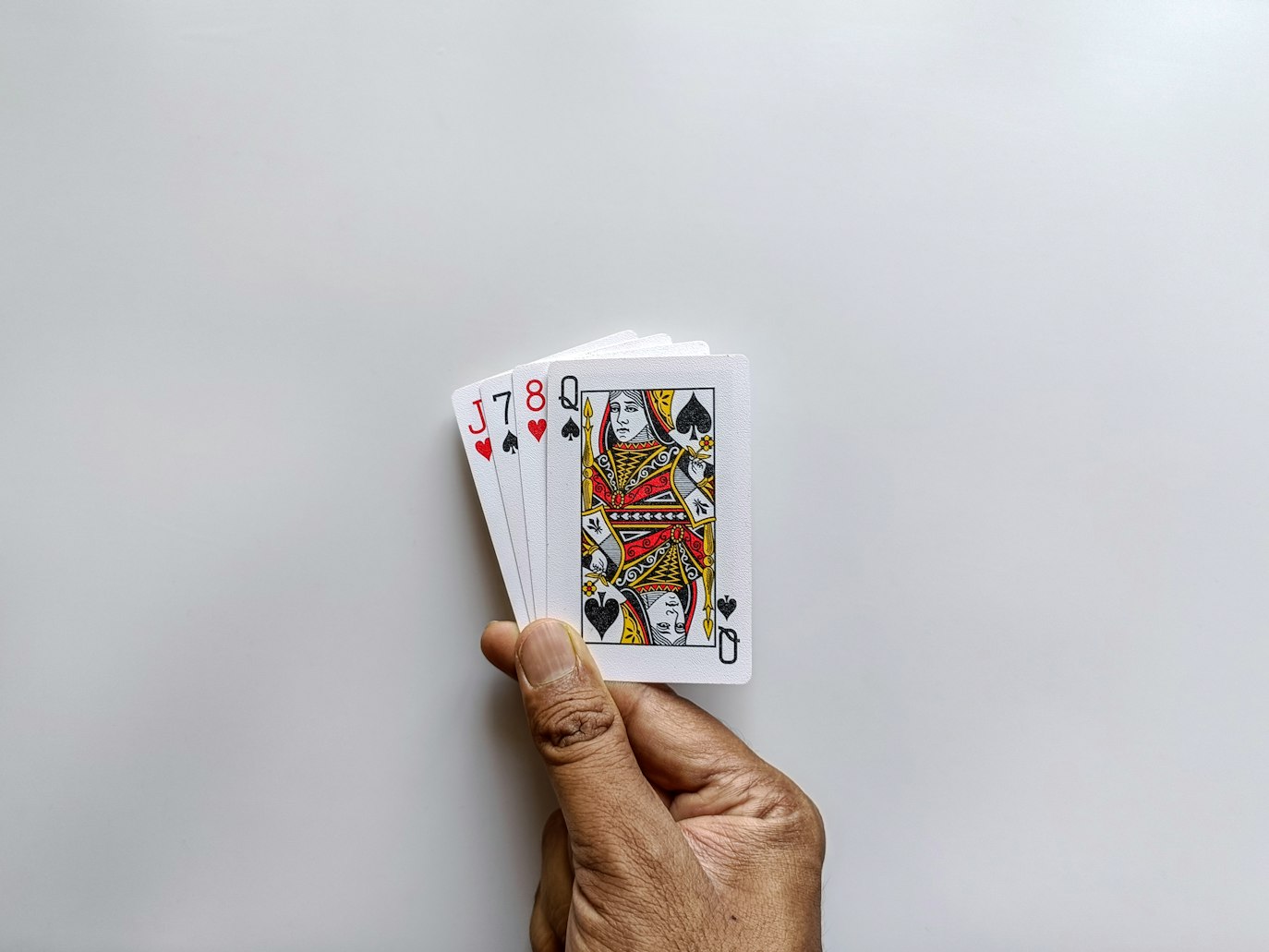
This means that the outcome of each game is random, and past results do not influence future outcomes. Understanding this fundamental truth can help gamblers avoid the pitfall of chasing losses or getting swept up in the excitement of perceived streaks. Making informed decisions based on facts rather than myths can lead to smarter betting strategies.
The House Always Wins
Many people accept the saying “the house always wins” as an absolute truth, believing that it’s impossible to beat the odds in gambling. While it’s true that casinos are designed to be profitable in the long run, this doesn’t mean that players can’t win at various games. Knowledge and strategy can significantly improve one’s chances, especially in games like poker or blackjack, where skill plays a crucial role.
Moreover, understanding the house edge can empower players to make better choices. Some games offer better odds than others, and by selecting games with a lower house edge, players can enhance their chances of winning. This realization helps to shift the mindset from a defeatist attitude to one of strategic play.
Gambling is Purely Luck
While luck certainly plays a role in gambling, reducing the activity to mere chance overlooks the importance of skill, strategy, and knowledge. Games like poker and sports betting require a strong understanding of the rules, probabilities, and even psychology. Players who invest time in honing their skills often find greater success than those who rely solely on luck.
In addition, even games of chance have elements of strategy involved. For instance, knowing when to walk away, managing your bankroll wisely, and setting limits are critical components that can influence the overall gambling experience. Recognizing the blend of luck and skill can lead to more informed and strategic betting.
The Myth of Gambler’s Fallacy
The gambler’s fallacy is a common misconception that suggests past events will influence future outcomes in random games. For instance, if a coin is flipped and lands on heads five times in a row, one might believe that tails is “due” to occur. This erroneous belief can lead to poor betting decisions, as randomness does not adhere to perceived patterns.
Educating oneself about probability and random events can help combat the gambler’s fallacy. By understanding that each game or bet is independent, players can avoid the traps set by this myth. This knowledge enables gamblers to make choices based on logic rather than emotion, ultimately leading to smarter betting practices.

Enhancing Your Gambling Knowledge
Gaining a solid understanding of gambling myths is essential for anyone looking to bet smarter. By debunking these common misconceptions, players can approach gambling with a clearer mindset and more strategic outlook. Educating oneself about the odds, house edge, and the nature of games can create a more enjoyable experience.
Whether you’re a casual bettor or a seasoned player, expanding your knowledge can significantly affect your gambling results. Embracing reality over myth not only enriches your gaming experience but also empowers you to make informed decisions. As you navigate the world of gambling, remember that awareness is your best ally.
Leave a Reply